
Stem Cell Treatment for Facelift
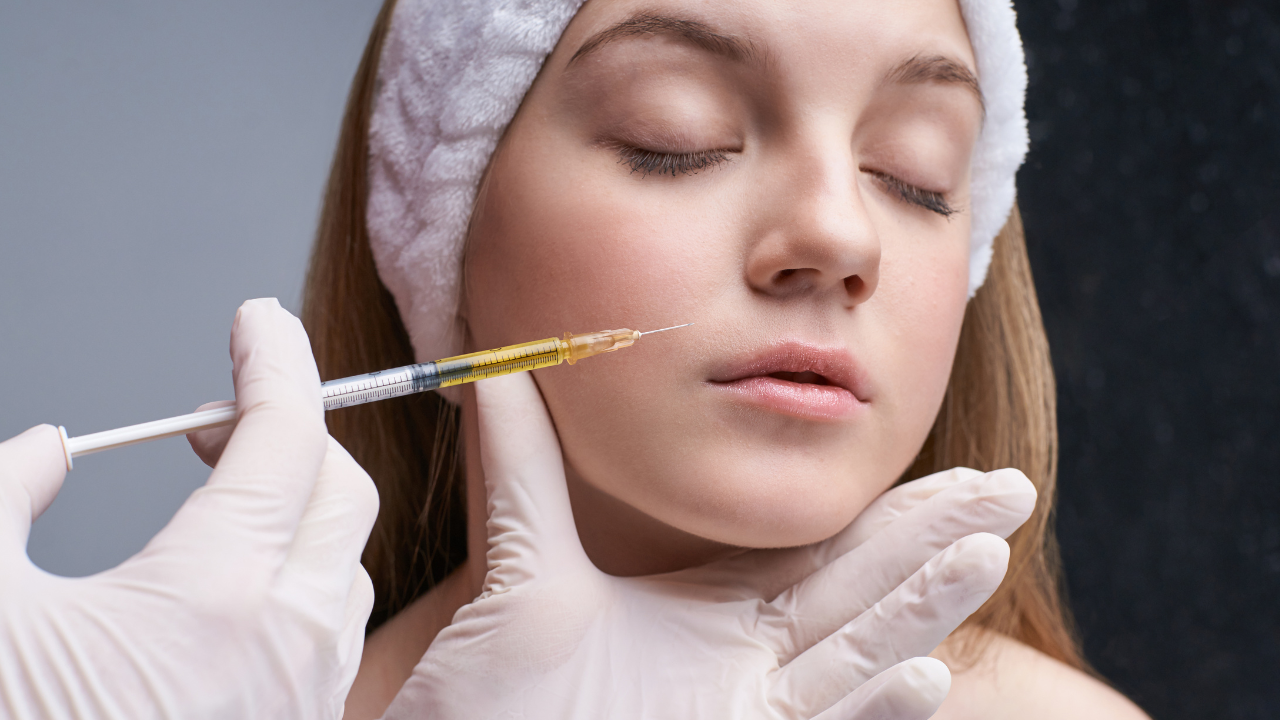
Stem Cell Treatment for Facelift
Stem cell facelift therapy combines mesenchymal stem cells (MSCs) and exosomes to naturally rejuvenate aging skin. This minimally invasive treatment stimulates collagen and elastin production, repairs damaged tissues, restores facial volume, improves texture and hydration, and reduces wrinkles. By targeting the root causes of skin aging, it promotes long-term regenerative effects, offering a safe, natural, and sustainable approach to facial rejuvenation with minimal downtime.
Aging naturally brings visible changes such as fine lines, wrinkles, sagging skin, reduced elasticity, uneven skin tone, dryness, and loss of facial volume. These changes occur due to decreased collagen and elastin production, slower cellular renewal, reduced skin hydration, hormonal changes, sun exposure, pollution, stress, smoking, poor sleep, and lifestyle habits.
Traditional aesthetic treatments such as dermal fillers, botulinum toxin applications, laser therapies, chemical peels, microneedling, radiofrequency procedures, and surgical facelifts may help improve the appearance of aging skin. However, some patients seek a more regenerative and minimally invasive approach that focuses on supporting skin quality, cellular communication, and natural repair mechanisms rather than only masking visible signs of aging.
MSC facelift therapy, combined with exosome-supported regenerative care, is being explored as an advanced aesthetic approach for facial rejuvenation. This treatment uses the biological signaling potential of mesenchymal stem cells and exosomes to support collagen activity, skin repair, hydration, elasticity, and overall skin quality. It should be understood as a supportive regenerative procedure, not as a guaranteed replacement for surgery or a permanent anti-aging cure.
Stemcell Consultancy provides personalized regenerative aesthetic protocols for patients seeking natural-looking facial rejuvenation, improved skin texture, and healthier skin appearance through medically supervised MSC and exosome-based approaches.
What Causes Facial Aging?
Facial aging is a complex process influenced by both internal and external factors. Internal aging is related to genetics, hormonal changes, slower cell turnover, reduced collagen production, and gradual loss of skin elasticity. External aging is mainly associated with sun exposure, pollution, smoking, stress, poor nutrition, dehydration, and insufficient sleep.
Common causes of visible facial aging include:
- Decreased collagen and elastin production
- Reduced skin hydration and barrier function
- Loss of facial fat volume
- Weakening of connective tissue support
- Sun damage and photoaging
- Pollution and oxidative stress
- Smoking and alcohol consumption
- Repetitive facial expressions
- Hormonal changes
- Poor sleep quality and chronic stress
- Genetic predisposition
As these factors accumulate, the skin may become thinner, drier, less elastic, and more prone to wrinkles, pigmentation changes, dullness, and sagging.
What Is an MSC Facelift?
An MSC facelift is a regenerative aesthetic approach that uses mesenchymal stem cell-based products to support skin renewal, tissue repair signaling, and collagen-related activity. Unlike a surgical facelift, it does not involve cutting, skin removal, or surgical lifting. Instead, it focuses on improving skin quality and supporting natural rejuvenation mechanisms.
Mesenchymal stem cells are known for their ability to release bioactive molecules, growth factors, cytokines, and extracellular vesicles that may influence cellular communication and tissue repair. In aesthetic medicine, these properties are being explored for their potential to support healthier-looking skin.
The goal of an MSC facelift is not to create an artificial or overfilled appearance. The aim is to support natural-looking rejuvenation by improving skin texture, hydration, firmness, elasticity, and radiance over time.
How Stem Cells and Exosomes May Rejuvenate the Skin
Mesenchymal stem cells derived from umbilical cord tissue are studied in regenerative medicine because of their biological signaling capacity. These cells may release factors that support tissue repair, inflammation modulation, and skin regeneration pathways.
Exosomes are tiny extracellular vesicles released by cells. They contain proteins, lipids, growth factors, and signaling molecules that help cells communicate with one another. In skin-focused regenerative protocols, exosomes are being investigated for their potential to support repair signaling, hydration, collagen activity, and skin barrier quality.
Together, MSCs and exosomes may help support:
- Skin cell renewal and repair signaling
- Collagen and elastin-related activity
- Improved skin texture and tone
- Better hydration and radiance
- Reduced appearance of fine lines
- Improved firmness and elasticity
- Healthier-looking skin quality
- Recovery support after selected aesthetic procedures
These effects are potential benefits and should not be interpreted as guaranteed results. Response varies depending on age, skin condition, sun damage, lifestyle, hormonal status, smoking history, skincare routine, and overall health.
Why Are Exosomes Important in Skin Rejuvenation?
Exosomes are important because they act as messengers between cells. In aesthetic and dermatologic research, they are being studied for their ability to influence skin repair, inflammation balance, collagen-related signaling, and tissue communication.
In facial rejuvenation protocols, exosomes may be considered because they may help:
- Support communication between skin cells
- Encourage repair signaling after skin stress
- Improve the appearance of dull or tired skin
- Support hydration and skin barrier function
- Contribute to smoother-looking skin texture
- Support collagen and elastin-related pathways
However, exosome-based aesthetic applications should be approached carefully. Their regulatory status varies by country, and patients should be informed about product source, preparation standards, application method, potential risks, and limitations before treatment.
MSC Facelift vs. Traditional Facelift
An MSC facelift and a surgical facelift are not the same procedure. A surgical facelift physically lifts and repositions facial tissues and removes excess skin. It is usually considered for more advanced sagging and structural aging.
An MSC facelift is a minimally invasive regenerative approach that focuses more on skin quality than mechanical lifting. It may help improve texture, hydration, firmness, and radiance, but it cannot remove large amounts of excess skin or replace surgical lifting in advanced facial sagging.
MSC facelift may be more suitable for:
- Early to moderate signs of aging
- Fine lines and skin dullness
- Mild loss of firmness
- Patients seeking natural-looking rejuvenation
- Patients who prefer minimally invasive options
- Skin quality improvement rather than major lifting
Surgical facelift may be more appropriate for:
- Advanced skin laxity
- Significant jowls or neck sagging
- Excess loose skin
- Patients seeking dramatic structural lifting
A personalized consultation helps determine which approach is more suitable for the patient’s goals and anatomy.
Which Areas Can Be Treated?
MSC and exosome-supported facial rejuvenation may be considered for multiple areas depending on the patient’s needs and medical suitability.
Common treatment areas may include:
- Face
- Neck
- Jawline
- Cheeks
- Under-eye area when appropriate
- Forehead
- Nasolabial folds
- Décolletage
- Hands in selected anti-aging protocols
The treatment plan should be individualized based on skin thickness, sensitivity, aging pattern, previous aesthetic procedures, and patient expectations.
Treatment Process
The MSC facelift treatment process is carefully structured to support patient safety, comfort, and realistic aesthetic outcomes. Each stage is personalized according to the patient’s skin condition, medical history, and rejuvenation goals.
Step 1: Specialist Evaluation
A detailed assessment is performed before treatment. The specialist evaluates the patient’s medical history, previous aesthetic treatments, skin type, age, facial volume changes, sun damage, skin elasticity, hydration level, medications, allergies, and lifestyle factors.
The evaluation may include:
- Facial aging analysis
- Skin texture and elasticity assessment
- Evaluation of fine lines and wrinkles
- Assessment of volume loss and sagging
- Review of previous fillers, lasers, peels, or surgeries
- Medical history and medication review
- Allergy and infection history
- Discussion of aesthetic goals
This stage helps determine whether an MSC and exosome-supported protocol is suitable or whether another aesthetic option may be more appropriate.
Step 2: Consultation and Personalized Planning
After the assessment, patients receive a detailed consultation. The treatment plan, application areas, expected timeline, possible benefits, limitations, potential risks, and aftercare process are explained clearly.
Personalized planning may consider:
- Degree of skin aging
- Skin quality and hydration
- Facial volume changes
- Desired level of rejuvenation
- Previous aesthetic treatments
- Downtime preferences
- Long-term skincare habits
- Suitability for combination treatments
Realistic expectation management is essential. MSC facelift therapy may support skin rejuvenation, but it cannot stop the aging process or guarantee surgical-level lifting.
Step 3: Stem Cell and Exosome Preparation
Mesenchymal stem cell-based products and exosome-supported components are prepared under controlled laboratory conditions when appropriate. Preparation may include quality checks, sterility controls, viability assessment, and documentation according to applicable standards.
The preparation timeline may vary depending on the protocol and product availability. Patients should receive clear information about the source, preparation process, quality controls, and regulatory framework of any biological product used.
Step 4: Treatment Administration
The treatment is performed through minimally invasive application methods designed for targeted facial rejuvenation. MSC and exosome-supported products may be applied into selected facial or neck areas according to the personalized treatment plan.
The procedure aims to support skin repair signaling, collagen-related activity, hydration, and overall skin quality. Application areas are selected carefully to achieve balanced, natural-looking results.
Depending on the protocol, the treatment may be combined with other skin rejuvenation methods such as microneedling, PRP, laser, or radiofrequency when medically appropriate. Combination planning should always be based on skin type, safety, and treatment goals.
Step 5: Follow-Up Care
After treatment, patients are monitored through a structured follow-up schedule. The medical team evaluates skin texture, hydration, firmness, radiance, and overall appearance over time.
Follow-up care may include:
- Post-treatment skincare recommendations
- Sun protection guidance
- Hydration and barrier repair support
- Monitoring of swelling or sensitivity
- Evaluation of gradual skin changes
- Planning of maintenance sessions if appropriate
Proper aftercare can help support treatment response and maintain skin quality for longer.
Benefits of MSC Facelift Therapy
MSC facelift therapy may offer several potential benefits for selected patients seeking natural-looking facial rejuvenation.
- Skin Quality Support: May help improve skin texture, hydration, and overall smoothness.
- Fine Line Reduction: May reduce the appearance of fine lines over time by supporting collagen-related activity.
- Improved Firmness: May support skin elasticity and a firmer appearance.
- Radiance and Tone: May help improve dullness and promote a healthier-looking glow.
- Minimally Invasive Approach: Does not require surgical incisions or major recovery time.
- Natural-Looking Rejuvenation: Focuses on skin renewal rather than artificial volume changes.
- Compatibility With Other Treatments: May be combined with selected aesthetic procedures when appropriate.
- Personalized Planning: Treatment areas and protocols can be adjusted according to individual aging patterns.
Results vary from patient to patient. The degree of improvement depends on skin condition, biological response, age, sun exposure, lifestyle, and post-treatment care.
When Can Results Be Expected?
MSC and exosome-supported skin rejuvenation usually produces gradual changes. It does not work like an instant filler or surgical facelift. The treatment is designed to support biological processes, which may take time.
A general timeline may include:
- First few days: Mild redness, swelling, sensitivity, or temporary tightness may occur.
- First 2–4 weeks: Some patients may notice improved hydration, brightness, or skin comfort.
- 4–8 weeks: Skin texture and tone may begin to improve more visibly in selected patients.
- 2–3 months: Collagen-related changes, firmness, and elasticity may become more noticeable.
- 3–6 months: Continued improvement may occur depending on the patient’s skin biology and aftercare.
Maintenance may be needed depending on age, lifestyle, sun exposure, skincare routine, and aesthetic goals. The aging process continues naturally, so long-term care remains important.
Who May Be a Suitable Candidate?
MSC facelift therapy may be considered for selected patients after medical and aesthetic evaluation. It is not automatically suitable for everyone.
Potential candidates may include individuals who:
- Have early or moderate signs of facial aging
- Want to improve skin texture, tone, and hydration
- Have fine lines or mild wrinkles
- Have mild skin laxity or reduced firmness
- Prefer a minimally invasive approach
- Want natural-looking rejuvenation
- Are not ready for surgical facelift procedures
- Have realistic expectations about gradual results
- Are willing to follow skincare and sun protection recommendations
The best candidates are usually those seeking improvement in skin quality rather than dramatic surgical lifting.
Who May Not Be Suitable?
MSC facelift and exosome-supported treatments may not be appropriate for every patient. Treatment may be postponed or avoided in the following situations:
- Active skin infection
- Active systemic infection
- Uncontrolled diabetes
- Active cancer or certain cancer histories
- Severe autoimmune disease activity
- Blood clotting disorders
- Use of blood thinners that cannot be safely managed
- Pregnancy or breastfeeding
- Severe allergic history requiring additional precautions
- Recent major facial surgery
- Active inflammatory skin disease in the treatment area
- Unrealistic expectations of permanent or surgical-level results
Patients with complex medical histories should be evaluated carefully before any regenerative aesthetic procedure.
Safety and Important Considerations
MSC and exosome-supported aesthetic treatments should be performed only under medical supervision, with quality-controlled products and clear patient consent. The safety profile depends on patient selection, product source, preparation standards, application method, dose, and clinical environment.
Possible temporary effects may include:
- Mild redness
- Swelling
- Tenderness
- Bruising
- Temporary tightness
- Itching or sensitivity
- Short-term dryness or irritation
Patients should seek medical guidance immediately if they experience severe swelling, intense pain, fever, spreading redness, allergic reaction, skin discoloration, or unexpected symptoms.
Because the regulatory status of stem cell and exosome-based aesthetic applications may vary by country, patients should ask about product origin, laboratory standards, sterility testing, documentation, approval status, and clinical evidence before treatment.
Aftercare: How to Support Better Results
Aftercare plays an important role in maintaining skin health and supporting treatment response. The skin should be protected from unnecessary irritation and environmental stress while recovery takes place.
General aftercare recommendations may include:
- Avoiding intense sun exposure after treatment
- Using broad-spectrum sunscreen daily
- Keeping the skin hydrated
- Avoiding harsh exfoliants for the recommended period
- Not applying makeup immediately if advised by the clinic
- Avoiding sauna, steam rooms, or intense heat temporarily
- Avoiding smoking
- Drinking enough water
- Following the recommended skincare routine
- Attending follow-up appointments
Patients should follow the specific aftercare instructions provided by the medical team because recommendations may vary depending on the application method and skin sensitivity.
Lifestyle Habits That Help Maintain Skin Rejuvenation
Regenerative aesthetic treatment can be more effective when combined with healthy skin-supporting habits. Since aging continues naturally, long-term care is essential.
Helpful lifestyle habits include:
- Daily sun protection
- Consistent skincare routine
- Use of dermatologist-recommended active ingredients when appropriate
- Balanced nutrition rich in antioxidants and protein
- Adequate hydration
- Regular sleep
- Stress management
- Smoking cessation
- Limiting excessive alcohol intake
- Regular exercise
- Periodic skin assessments
These habits help protect collagen, support skin barrier function, and maintain a healthier-looking appearance over time.
Scientific Basis of MSC and Exosome Skin Rejuvenation
Research in regenerative medicine suggests that mesenchymal stem cells and exosomes may influence tissue repair, inflammation regulation, collagen-related signaling, and cellular communication. These mechanisms are relevant to skin rejuvenation because aging skin is associated with reduced repair capacity, collagen decline, oxidative stress, and slower cellular renewal.
However, scientific evidence for MSC and exosome-based aesthetic treatments is still developing. Clinical protocols, product quality, application methods, dosing, and long-term outcomes can vary. More controlled studies are needed to better define safety, effectiveness, ideal candidates, and maintenance schedules.
Responsible aesthetic care should avoid guarantees such as permanent rejuvenation, complete wrinkle removal, or surgical-level lifting without surgery. Patients should receive balanced information before making a decision.
Why Choose Stemcell Consultancy?
Stemcell Consultancy offers a personalized and medically supervised approach for patients seeking regenerative facial rejuvenation. The process focuses on careful evaluation, natural-looking results, transparent communication, and structured follow-up.
Key advantages include:
- Personalized aesthetic assessment
- MSC and exosome-supported regenerative planning
- Quality-focused preparation standards
- Minimally invasive treatment options
- Natural-looking rejuvenation goals
- Transparent explanation of benefits and limitations
- Follow-up care after treatment
- Skincare and lifestyle guidance
- Patient-centered approach in Istanbul
The goal is to support healthier, brighter, firmer, and more refreshed-looking skin while maintaining each patient’s natural facial expression and individuality.
Frequently Asked Questions About MSC Facelift and Exosome Therapy
Is an MSC facelift the same as a surgical facelift?
No. A surgical facelift physically lifts and repositions facial tissues, while an MSC facelift is a minimally invasive regenerative approach focused on improving skin quality, firmness, hydration, and texture. It cannot replace surgery in advanced sagging.
Can MSC facelift therapy remove wrinkles completely?
Complete wrinkle removal cannot be guaranteed. MSC and exosome-supported treatments may reduce the appearance of fine lines and improve skin texture in selected patients, but results vary.
How long do results last?
Result duration depends on age, skin condition, sun exposure, skincare routine, smoking, lifestyle, and maintenance care. The aging process continues naturally, so periodic maintenance may be recommended.
When will I see results?
Some patients may notice improved hydration or radiance within a few weeks. More visible changes in texture, firmness, and elasticity may develop gradually over 2–3 months or longer.
Is the procedure painful?
The procedure is generally minimally invasive. Some patients may feel mild discomfort, pressure, or sensitivity during application. Temporary redness, swelling, or bruising may occur afterward.
Are exosomes approved for cosmetic use everywhere?
No. The regulatory status of exosome-based products varies by country. Patients should ask about product source, safety testing, approval status, and clinical evidence before treatment.
Can this treatment be combined with fillers or lasers?
In selected patients, MSC and exosome-supported therapy may be combined with other aesthetic treatments such as fillers, lasers, PRP, microneedling, or radiofrequency. Combination planning should be personalized and medically supervised.
Who is a good candidate for MSC facelift therapy?
Good candidates are usually patients with early or moderate signs of aging who want natural-looking skin quality improvement and have realistic expectations about gradual results.
Who should avoid this treatment?
Patients with active infection, uncontrolled disease, active cancer, pregnancy, breastfeeding, blood clotting disorders, or severe inflammatory skin conditions may not be suitable. A medical evaluation is required.
Does aftercare affect the results?
Yes. Sun protection, hydration, gentle skincare, healthy nutrition, sleep, and avoiding smoking can help support and maintain treatment results.
A Regenerative Approach to Natural Facial Rejuvenation
Facial aging is a natural process influenced by collagen decline, reduced elasticity, volume changes, sun exposure, lifestyle, and cellular aging. While traditional aesthetic treatments can improve visible signs of aging, regenerative approaches are being explored to support skin quality from a biological perspective.
MSC facelift therapy combined with exosome-supported care may help improve skin texture, hydration, firmness, radiance, and overall skin appearance in selected patients. However, it should be approached with realistic expectations, proper medical evaluation, and clear understanding of the investigational nature of some regenerative aesthetic applications.
Stemcell Consultancy provides personalized regenerative aesthetic planning for patients who want a minimally invasive, natural-looking, and medically supervised facial rejuvenation option.
You can contact Stemcell Consultancy to begin your personalized evaluation and learn whether MSC facelift and exosome-supported skin rejuvenation may be suitable for your goals.
This content is for informational purposes only and does not replace medical diagnosis, treatment, or professional medical advice. MSC and exosome-supported aesthetic treatments may not be suitable for everyone, and outcomes can vary depending on skin condition, age, lifestyle, product quality, application method, and aftercare. Patients should consult qualified healthcare professionals before starting any regenerative aesthetic procedure.
Quick Question